Nura milk: a complete guide to instant powdered milk
Nura milk is an instant whole powdered milk found in online dairy aisles, particularly on sites specialising in imported groceries. This guide explains how to identify this product, what information to check before buying, how to prepare it for daily use and where to order it with confidence.
·
Nura milk belongs to the family of instant whole powdered milks, a category very common in grocers offering imported goods. Convenient to store, economical to use and easy to transport, this type of milk appeals to households looking for a long-life alternative to standard UHT milk. Before ordering, it is useful to understand its nature, storage requirements and the criteria for choosing the right brand online.
Nura milk: what should you know about this product?
Nura milk comes in the form of a powder obtained by dehydrating whole milk. This processing technique creates a product that is stable at room temperature and keeps longer than liquid milk as long as the packaging remains sealed. It is generally packaged in bags or tins of several kilograms, a format popular with large families or catering professionals.
This type of product is part of international grocery practices: instant whole powdered milks circulate widely through import channels alongside other long-life foodstuffs. For a consumer in France, the main benefit lies in the convenience of storage and the ability to measure the exact amount of milk needed without waste.
It is important to distinguish whole powdered milk from skimmed or semi-skimmed powdered milk. The term "whole" indicates that the original fat content has been preserved during processing, which directly influences the taste, the texture once reconstituted and the product's culinary use.
Origin and manufacturer
As with any imported dairy product, the origin of Nura milk and the manufacturer's identity should appear on the packaging and the seller's product page. Before any purchase, it is recommended to check these details to find out the country of manufacture, the packaging date and the contact details of the importer or distributor in France. This information is essential to ensure product traceability, a point particularly monitored for dairy goods.
Nutritional information to check before purchase
Instant whole powdered milks can have different nutritional profiles depending on the manufacturer: fat content, calcium intake, and the possible presence of added vitamins or other additives. Rather than relying on generic claims found online, it is better to refer systematically to the product label or the technical sheet provided by the seller. The table below summarises the points to check before finalising a purchase of Nura milk.
Item to check — Why it is important — Where to find the information
Type of milk (whole, semi-skimmed, skimmed) — Determines the taste and fat content — Packaging, product sheet
List of ingredients — Checks for the absence of unwanted additives — Label on the back of the bag
Nutritional values (calcium, protein, fat) — Allows comparison with other powdered milks — Nutritional table on the packaging
Best-before date — Guarantees freshness upon receipt — Packaging, confirmation from the seller
Net weight and format — Tailors the order to household consumption — Online product sheet
This systematic check avoids unpleasant surprises and makes it possible to compare several powdered milk options before placing an order, especially when choosing between different formats or brands available from the same seller.
Dosage and reconstitution
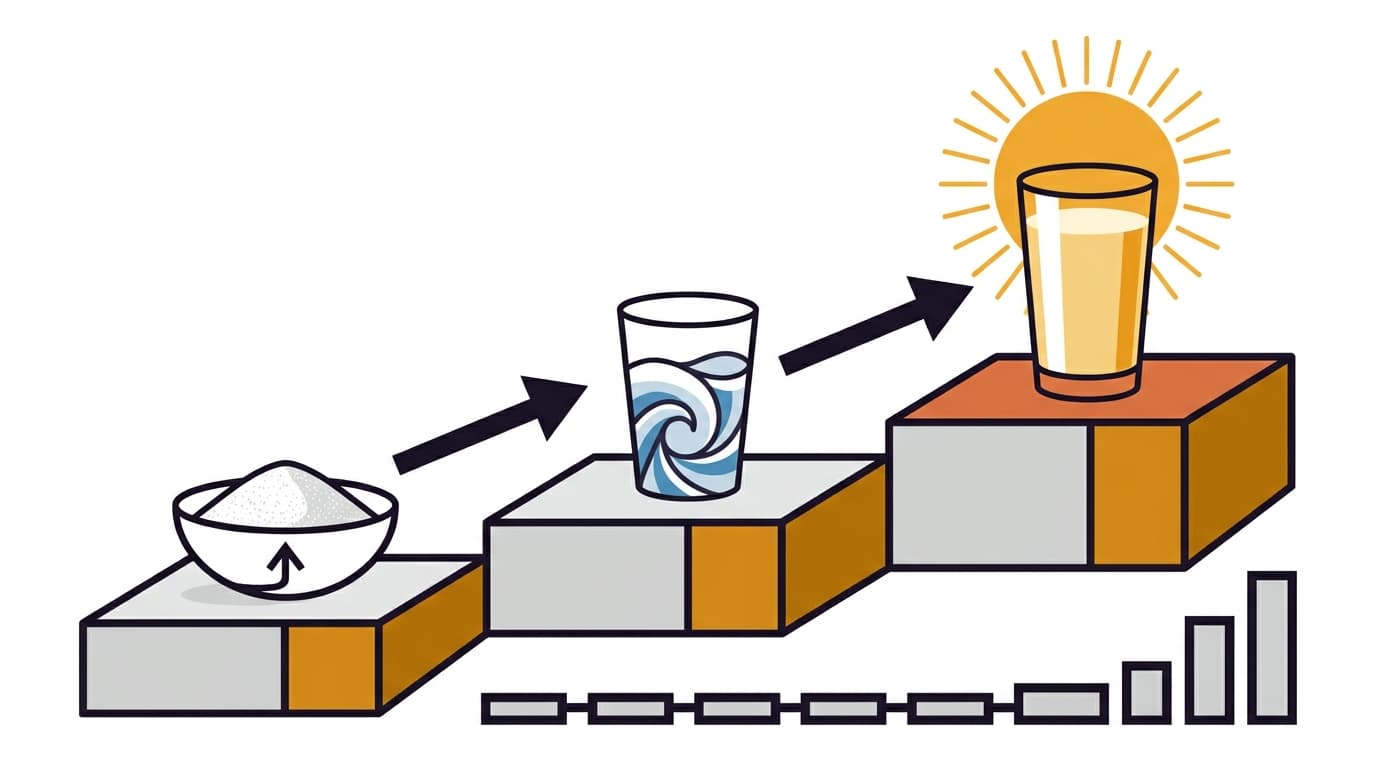
The reconstitution of whole powdered milk is based on a simple principle: mixing a precise amount of powder with water, generally lukewarm, to obtain liquid milk ready for consumption. The exact proportions vary by manufacturer and must always be followed as indicated on the Nura milk packaging, as a dosage that is too concentrated or too diluted significantly changes the taste and texture of the reconstituted product.
For a smooth result, it is advisable to pour in a small amount of water first, mix in the powder vigorously, then top up with the rest of the liquid. This method limits the formation of lumps, a common inconvenience with poorly diluted powdered milk.
Storage after opening
Once the bag or tin is opened, the powdered milk must be stored in a dry place, away from heat and humidity, in an airtight container. Humidity is the main enemy of this type of product: it encourages the formation of lumps and can alter the quality of the milk even before the date indicated on the packaging. Reconstituted milk, on the other hand, should be treated like standard liquid milk and stored in the fridge, then consumed within a reasonable timeframe.
Culinary uses
Instant whole powdered milk is not limited to simple reconstitution as a drink: it is also used as an ingredient in many preparations, whether for pastries, sauces, hot drinks or traditional recipes requiring rich and creamy milk. This versatility partly explains the popularity of imported powdered milks in speciality grocers, where they sit alongside other long-life ingredients.
Selection criteria
Before ordering powdered milk online, several criteria deserve comparison: the format offered, the presence of a clear nutritional table, delivery terms and the seller's reputation for imported products. A reputable site will systematically display this information on its product sheet, which facilitates comparison between several instant whole powdered milk options.
Where to buy Nura milk online
To view the specific characteristics and updated commercial information, the dedicated product sheet for Nura milk remains the primary reference, as it centralises the format offered, origin information and ordering terms. It is also possible to compare this item with other dairy options by consulting the UHT milk, powdered milk and dairy products category, which groups together all the dairy products in the catalogue and allows you to situate Nura milk in relation to other formats or brands.
Taking the time to compare these criteria before purchase allows you to choose a powdered milk format truly adapted to your needs, whether for daily consumption, occasional culinary use or an emergency stock that is easy to keep in the cupboard. By systematically checking the origin, composition and storage conditions, it becomes easier to include Nura milk in your regular shopping, while keeping an eye on other options available in the same dairy category.
Related reading
- Natural Mineral Water: How to Choose & BuyNatural mineral water comes from a protected underground source with a stable mineral makeup. Choosing well means looking at its mineral content, bottle size, and everyday use, before comparing what's available online. This guide covers the key criteria for buying with confidence.
- Canned Sardines: Complete Guide and BenefitsTinned sardines are small oily fish from the Clupeidae family, preserved in metal cans or sealed glass jars. These small fish, 15 to 25 centimeters long, are caught in coastal waters, particularly in the North Atlantic and the Mediterranean. Canned sardines are one of the most accessible and convenient ways to enjoy this high-quality seafood.
- Comorian Spices: A Guide to Flavors and UsesComorian spices hold a special place in the world's aromatic landscape thanks to volcanic soil, a tropical climate and farming know-how passed down through generations. Between vanilla, clove and cinnamon, the Comoros archipelago produces spices renowned for their intensity and quality. This guide details their specific traits, the main varieties, their culinary uses and best practices for choosing and storing them.