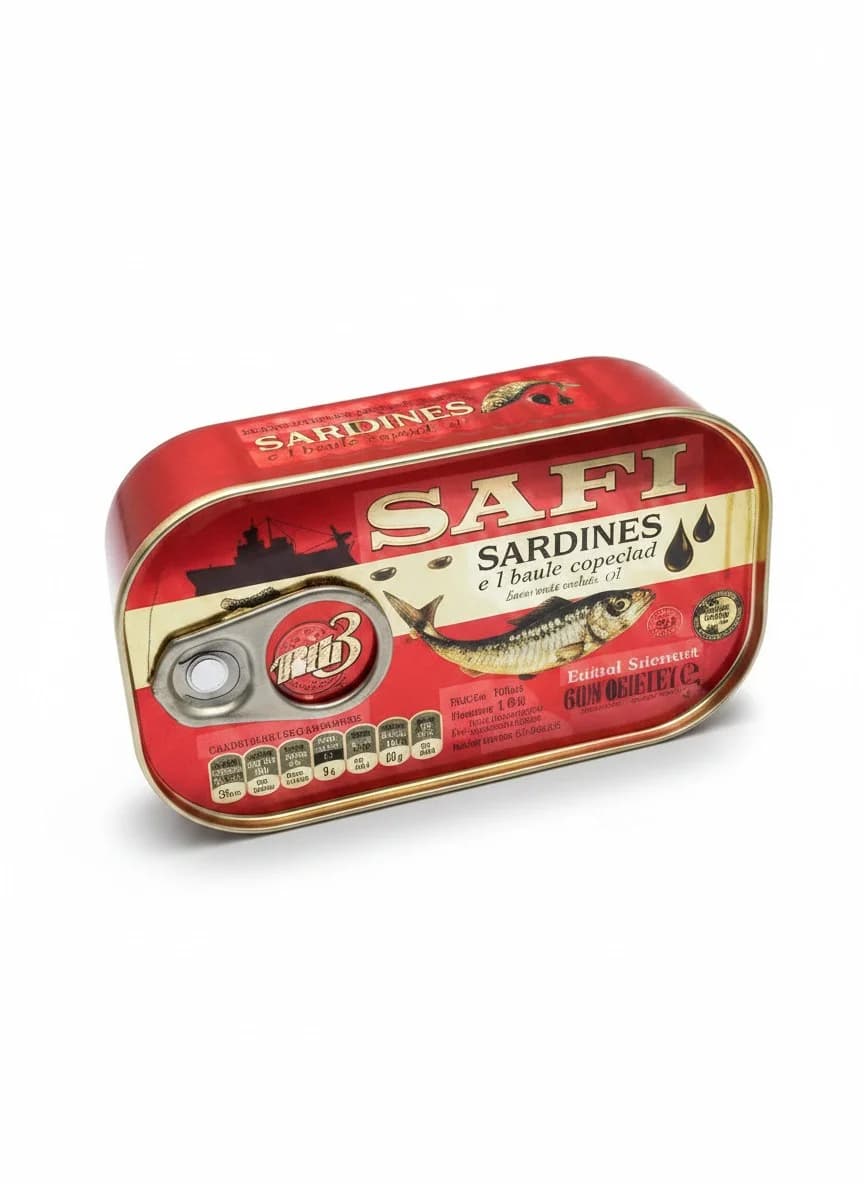
Canned sardines
From
View product€18.99
2 sizes available
Tinned sardines are small oily fish preserved in metal cans or glass jars, prized for their omega-3s, calcium and convenience.
The canning process for sardines dates back to the 19th century. After being caught, the sardines are sorted, cleaned, and steam-cooked before being packed in oil, tomato sauce, mustard, or other preparations. This traditional process preserves all the nutrients of the fresh fish while extending its shelf life to several years.
Global production of canned sardines exceeds 2 million tons per year, making it one of the most widely consumed seafood products in the world. France, Morocco, Thailand, and Peru are among the largest producers and exporters of tinned sardines.
Contrary to popular belief, canned sardines are not less nutritious than fresh ones. In fact, they retain all their minerals and omega-3 fatty acids, since the canning process does not alter these components. This is why nutritionists regularly recommend canned sardines as a reliable source of protein and nutrients.
For a standard 100-gram serving of sardines canned in oil, here is the typical nutritional profile:
• Protein: 22-25 grams (for muscle building and tissue maintenance)
• Calories: 180-210 kcal, a moderate and balanced energy source
• Fat: 10-12 grams, mostly beneficial unsaturated fatty acids
• Omega-3: 1.5-2 grams per serving (more than in many other foods)
• Calcium: 300-400 mg, which supports bone health
• Phosphorus: 300-350 mg (works alongside calcium)
• Selenium: 40-50 micrograms, a powerful antioxidant
• Vitamin D: 500-600 IU, needed for calcium absorption
• Vitamin B12: 8-10 micrograms, rare in plant-based foods, hence its relevance for vegetarians who eat fish
Canned sardines are among the richest natural sources of omega-3 fatty acids (EPA and DHA), with about 1.5 to 2 grams per 100-gram serving, even surpassing salmon in nutrient density relative to weight. These fatty acids help reduce inflammation, improve blood circulation, and lower the risk of cardiovascular disease.
According to several clinical studies, regularly eating canned sardines helps lower LDL cholesterol (the "bad" cholesterol) and raise HDL cholesterol (the "good" cholesterol). Researchers at the University of Bordeaux showed that eating two servings of sardines per week significantly reduced the risk of coronary heart disease in adults.
Canned sardines provide bioavailable calcium, especially since the small bones, softened by the canning process, can be eaten too. These bones account for about 30 to 40% of the fish's total calcium, which helps prevent osteoporosis.
The combination of calcium, phosphorus, and vitamin D in canned sardines creates optimal conditions for calcium absorption and bone mineralization. This makes sardines especially valuable for women in perimenopause or menopause, as well as for older adults looking to maintain their bone density.
Beyond omega-3s, canned sardines contain selenium, a powerful trace mineral with antioxidant properties. Selenium protects cells from oxidative damage and works alongside other antioxidants like vitamin E to reduce chronic inflammation.
A single daily serving of canned sardines can cover 70 to 100% of daily selenium needs, a nutrient often lacking in modern diets. This makes them a food of choice for preventing chronic inflammatory conditions such as rheumatoid arthritis or inflammatory bowel disease.
The DHA fatty acids abundant in canned sardines are structural components of the retina and brain. Eating canned sardines regularly can therefore support vision, particularly by helping prevent age-related macular degeneration, and can improve cognitive function in both adults and children.
The most traditional variety, and a favorite among connoisseurs. The sardines are packed in extra-virgin or virgin olive oil, which enhances the fish's natural flavor and adds the beneficial polyphenols found in the oil to the nutritional profile. Enjoy it straight from the can as an appetizer or in a salad.
A more budget-friendly option, using sunflower, rapeseed, or peanut oil. While less flavorful than olive oil, this variety is still nutritionally worthwhile and offers good value for money. It works particularly well in cooking and hot recipes.
Prepared in a spicy or mild tomato sauce, these canned sardines offer a more Mediterranean flavor profile. The lycopene in the tomatoes adds extra antioxidant benefits. This variety is particularly well suited to pasta, rice, or traditional Portuguese and Spanish dishes.
A bolder preparation that appeals to those who enjoy strong flavors. The mustard adds a tangy kick along with extra digestive benefits. This variety is best enjoyed with whole-grain bread or alongside fine cured meats.
More modern and creative varieties that combine sardines with citrus, garlic, chili, or other spices. These innovative options appeal to consumers looking for more aromatic complexity and culinary variety.
For those who dislike bones, pre-cleaned, filleted canned sardines are now widely available. While they lose some of the calcium benefits that come from the bones, they offer a smoother, more delicate eating experience, particularly popular with children and older adults.
To choose high-quality canned sardines, several criteria should guide your decision:
• Geographic origin: Choose sardines from well-regarded fishing areas such as the French Atlantic coast, Portugal, or the Mediterranean. These regions apply strict sustainability standards
• Sustainable fishing labels: Look for certifications like MSC (Marine Stewardship Council), which guarantee responsible fishing practices
• Packaging type: Metal cans offer better protection from light and work well for long-term storage. Glass jars allow you to visually inspect the contents directly
• Best-before date: Even though canned sardines keep for a long time, choose more recent batches to ensure optimal freshness
• Ingredient list: Fewer additives is better, for example sardines, oil or sauce, salt. Avoid excessive artificial preservatives
• Fish size: Smaller sardines (under 20 cm) have a more delicate texture, while larger sardines offer more flesh
If you're looking for a selection of top-quality seafood, the flavors of the Comoros, delivered to your door, offer a carefully curated range of canned sardines from reliable, sustainable sources.
Canned sardines can be stored for a long time when kept properly. Here are the key recommendations:
• Temperature: Store in a cool, dry place at room temperature (between 15 and 20°C). Avoid extreme temperature swings
• Humidity: A dry environment prevents the metal packaging from corroding. Avoid bathrooms and other damp areas
• Light: Store away from direct sunlight, which can degrade the product's quality
• Shelf life: Canned sardines generally keep for 3 to 5 years, with some premium varieties lasting up to 10 years
• After opening: Transfer any leftover sardines to an airtight container and refrigerate. Consume within 2 to 3 days
• Inspection before eating: Check that the can is not bulging, dented, or rusted. When opening, make sure the product does not give off an unpleasant odor
Although rare, certain signs should prompt you to discard a can of sardines:
• A bulging or swollen can, indicating bacterial fermentation
• Visible rust or significant corrosion
• Leaking liquid or visible spurting
• A sour, putrid, or otherwise unusual odor when opened
• Extreme discoloration or a change in the fish's appearance
• A slimy or excessively soft texture
The simplest way to enjoy canned sardines is straight from the can, paired with good whole-grain bread or crackers. This minimalist approach lets you fully appreciate the fish's natural flavor and the packing oil. Add a few drops of fresh lemon juice and a pinch of pepper to bring out the flavors.
A canned sardine salad makes a light, nutrient-rich, and filling meal. Combine drained sardines with fresh lettuce, tomatoes, cucumbers, red onions, and a simple lemon-olive oil vinaigrette. You can also add cooked cold potatoes, hard-boiled eggs, or beets for a heartier dish.
A quick and tasty Mediterranean classic. Cook your favorite pasta, then toss it with lightly mashed canned sardines, fresh parsley, minced garlic, chili, and a little olive oil. This recipe takes less than 15 minutes and makes a complete, nutritious meal.
Toast a slice of whole-grain or rye bread and spread it lightly with butter or olive oil. Add the canned sardines, mash them gently with a fork, then top with fresh lemon, parsley, and optionally a thin layer of mustard. This works for a protein-rich breakfast or a quick lunch.
Cut an avocado in half and scoop out a little of the flesh to make room, then fill it with canned sardines mixed with a bit of creme fraiche, lemon, and fresh herbs. This combination pairs the sardine's omega-3s with the avocado's healthy fats.
In a hot fish or vegetable broth, add diced potatoes, onions, leeks, and canned sardines. Finish with bay leaf, thyme, and a little cream. This comforting soup is especially welcome on cold days and delivers a generous dose of nutrients.
Blend canned sardines with softened butter, a little creme fraiche, lemon, crushed garlic, and aromatic herbs. Spoon into a small jar and refrigerate. This pate keeps for a week in the fridge and is great on toasted bread, crackers, or as a topping for vegetables.
Saute onions and garlic in a pan, then add a can of crushed tomatoes, a can of sardines, lemon juice and zest, paprika, and a little honey. Let simmer for 10 minutes to let the flavors meld. Serve hot with rice or pasta