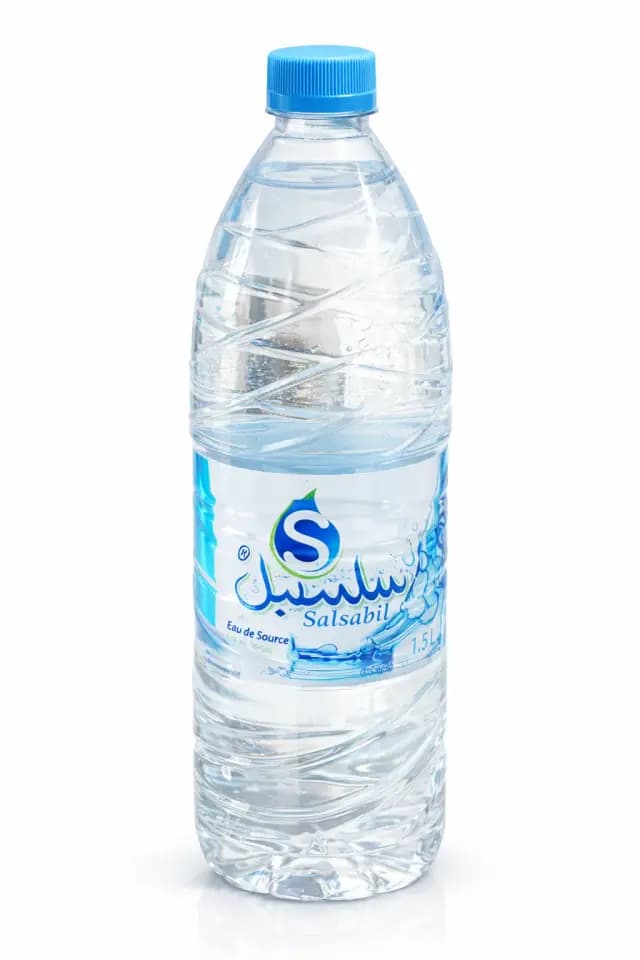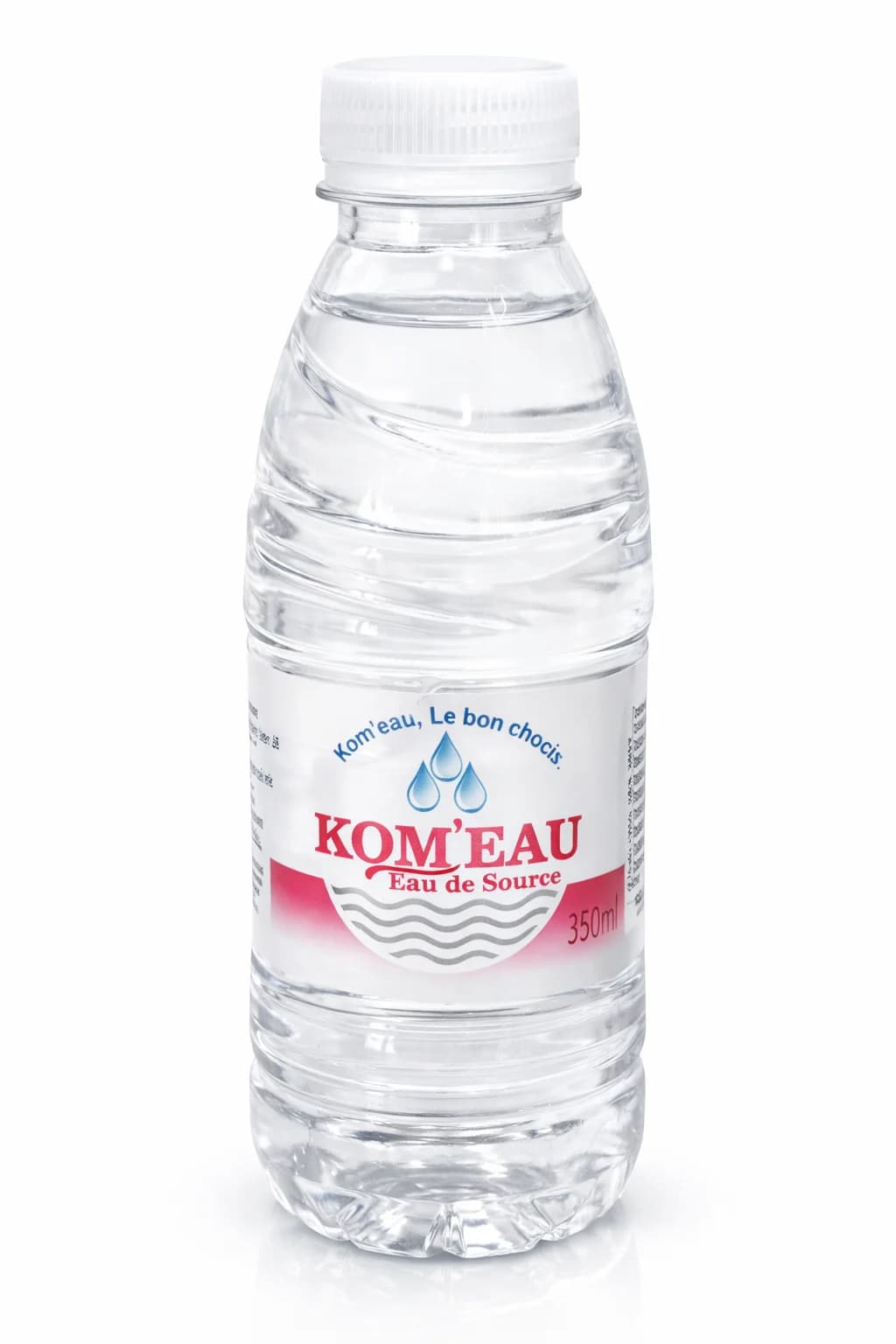
Kom’eau Salsabil spring water
€3.89
Pack 6 × 1 L
Natural mineral water comes from a protected underground source with a stable mineral makeup. Learn how to choose and buy it online.
Natural mineral water comes exclusively from an underground water table or deposit that is protected from all pollution. Its mineral and trace element content stays stable within natural fluctuation limits, which sets it apart from treated tap water or ordinary spring water. Unlike other bottled waters, it undergoes no chemical disinfection treatment and must be bottled directly at the source, without being transported in bulk.
This guarantee of origin and consistency is governed by strict regulations that require regular analyses and official recognition of the source. This stable composition is why some waters are recommended for daily use, including for infants, while others, richer in minerals, are better suited to occasional consumption or specific needs.
Choosing a natural mineral water depends above all on its mineral profile, expressed as dry residue, and on the intended use: daily hydration, preparing baby bottles, accompanying meals, or sports consumption. A lightly mineralized water is generally suitable for regular, unrestricted consumption, while a water richer in minerals may be better suited to occasional needs, for example after physical exertion.
Mineralization level · Indicative dry residue · Recommended use
Very lightly mineralized · Less than 50 mg/l · Daily consumption, baby bottles
Lightly mineralized · Between 50 and 500 mg/l · Everyday use, whole family
Highly mineralized · More than 1500 mg/l · Occasional consumption
It's also worth comparing taste, which is often linked to sulfate or bicarbonate content, as well as the bottle size best suited to your household. To better understand the differences between categories of bottled water, it may be useful to check the Kom'eau Salsabil spring water product page, which helps put the specific traits of each water type into perspective.
Buying natural mineral water online makes it easy to compare brands, bottle sizes, and mineral compositions without leaving home, while scheduling regular deliveries that match your household's consumption. It's recommended to check the legal sales name, the operator, and the mineral composition listed on each product page before placing an order.
To discover the full range available, including still water, sparkling water, and family-sized bottles, you can browse the grocery and beverage catalogue, which also brings together other everyday grocery products.
Once purchased, natural mineral water should be stored away from light and heat, in a clean, odor-free place, to preserve its taste and quality. After opening, it's best to drink it fairly quickly and keep it chilled to prevent any change in taste.
The label remains the best source of information: it lists the legal sales name, the detailed mineral composition (calcium, magnesium, sodium, bicarbonates, sulfates), the pH level, and the recommended storage conditions. Checking these details before buying helps you choose a water suited to your actual needs, whether for daily family consumption or a more specific use.