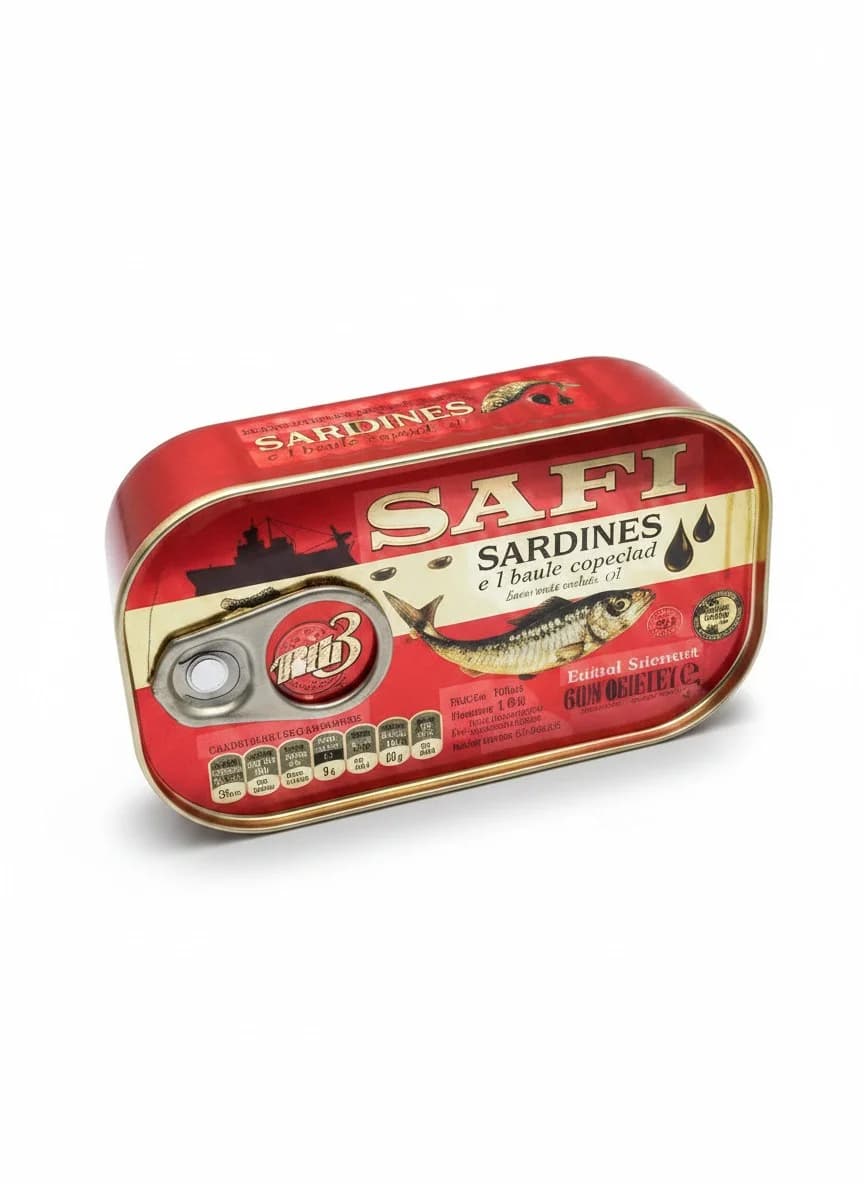
Canned sardines
From
View product€18.99
2 sizes available
Choosing quality tinned sardines means checking fish origin, sauce or oil, vintage and catch method. This guide covers criteria, formats and uses.
Tinned sardines are one of the most popular canned foods around, prized for their convenience, affordable price and nutritional value. But not all tins of sardines are equal: the quality of the fish, the preparation method and the type of sauce all make a big difference to taste and nutritional value. This guide covers the key criteria for choosing a good tin, the different formats available and the most common ways to use canned sardines in the kitchen.
A tin of sardines is a metal can containing whole sardines or fillets, prepared and sterilized for long-term storage. The manufacturing process follows several precise steps that determine the final quality of the product.
The sardines are first caught, then beheaded, gutted and sometimes pre-cooked (steamed or fried) before being packed into the tin. A preserving liquid is then added (oil, tomato sauce, mustard or white wine), after which the tin is sealed and sterilized at high temperature. This sterilization process guarantees several years of shelf life without refrigeration.
The quality of a tin depends heavily on how fresh the fish was at the time of canning. The best producers, often based in Brittany or Portugal, work with sardines caught the same day, which explains the price gap between a premium tin and an entry-level one.
The fishing method has a direct impact on the texture and firmness of the canned fish. Two techniques dominate the market:
• Line fishing: a traditional method that preserves the integrity of the fish, often highlighted on premium labels.
• Purse-seine fishing: the most widely used industrial method, efficient but sometimes harsher on the fish.
Artisanal Breton canneries generally favor small sardines caught close to shore, which reduces stress on the fish and improves how well the flesh holds together after cooking.
Choosing a quality tin of sardines means checking a few simple details on the packaging. These criteria help you tell a basic industrial product apart from a more flavorful artisanal tin.
Geographic origin affects the flavor: Atlantic sardines (from Brittany, Portugal or Morocco) are known for their firm flesh and balanced fat content. The size of the fish, sometimes expressed as the number of pieces per tin, is also a sign of quality: the fewer sardines in a tin, the bigger and meatier they are.
Extra virgin olive oil adds a fruity note that complements the fish's briny flavor. Sunflower oil, which is cheaper, is more neutral but lower quality. Tomato, mustard or white wine sauces offer interesting variations for changing things up without switching brands.
Some artisanal producers indicate a vintage, much like wine. A tin of sardines in oil improves slightly over time as the oil gradually soaks into the flesh, for up to three or four years after canning. Checking this date helps you plan for the best time to enjoy it.
Labels such as MSC (sustainable fishing), Label Rouge or the "sardines de Bretagne" designation guarantee stricter standards for traceability and fishing method. These labels often come with a slightly higher price but offer reassurance about the product's overall quality.
The market offers a wide variety of tins depending on preparation, budget and intended use. The table below summarizes the main categories.
Type of tin · Indicative price · Taste · Recommended use
Sardines in olive oil · €2 to €4 · Fruity, briny, melt-in-the-mouth texture · Appetizers, toast, salads
Sardines in tomato sauce · €1.50 to €3 · Mild, slightly tangy · Sandwiches, pasta, quick snacks
Sardines in mustard sauce · €2 to €3.50 · Zesty, lightly spicy · Appetizers, toast
Artisanal vintage sardines · €5 to €10 · Complex, firm texture · Tasting, gourmet gift
Budget sardines (sunflower oil) · €1 to €2 · Neutral, less flavorful · Everyday cooking, tight budgets
Canned sardines are among the most nutritionally complete foods around, which explains their growing popularity with health-conscious consumers.
• Rich in omega-3: beneficial for cardiovascular health and brain function.
• A source of quality protein: around 20 grams of protein per 100 grams of flesh.
• Provides calcium: the small edible bones contribute to bone strength.
• Vitamin D and vitamin B12: two nutrients often lacking in modern diets.
• Low in mercury: unlike large predatory fish, sardines have little exposure to heavy metals due to their short lifespan.
That said, the choice of preserving liquid affects the final calorie count. A tin in olive oil will bring more fat but higher-quality fatty acids than a tomato sauce version, which is lighter but sometimes sweeter.
An unopened tin of sardines keeps at room temperature, away from light and moisture, for several years. The best-before date is usually printed on the bottom of the tin. It's recommended to store tins lying flat so the oil evenly soaks into the fish over time.
Once opened, a tin of sardines should be eaten within two to three days, kept in the refrigerator in an airtight container other than the original metal tin to avoid any metallic taste.
Canned sardines work well in many simple, quick recipes:
• Toasted bread with salted butter and sardines in oil.
• A mixed salad with tomatoes, red onions and vinaigrette.
• Pasta with sardines, garlic and parsley for a quick meal.
• Sardine rillettes, blended with fresh cheese and lemon.
• Homemade pizza topped with tomato sardines and olives.
Supermarkets offer a wide choice of brands, but the highest-quality tins are often found with specialty producers, fine grocers, or online shops dedicated to seafood. The most discerning buyers favor artisanal Breton or Portuguese canneries, which work in small batches and are transparent about the full traceability of their catch.
To build a solid selection, it helps to compare several criteria at once: origin, sauce type, vintage and price per gram of net fish. This approach helps you avoid budget tins that contain a lot of liquid and very little actual fish.
Certain buying habits can lead you to choose a disappointing tin. Here are the most common pitfalls to know before buying tinned sardines.
• Relying on price alone: a very cheap tin often contains more oil than actual fish.
• Ignoring the canning date: a tin that's too old or too recent won't have the same flavor balance.
• Overlooking the stated number of sardines: a high piece count often signals smaller, less meaty fish.
• Forgetting to check the oil used: sunflower oil is noticeably lower quality than extra virgin olive oil.
Taking the time to read the label and compare a few options makes it easy to find a tin of sardines that truly matches the taste and nutritional qualities you're looking for.